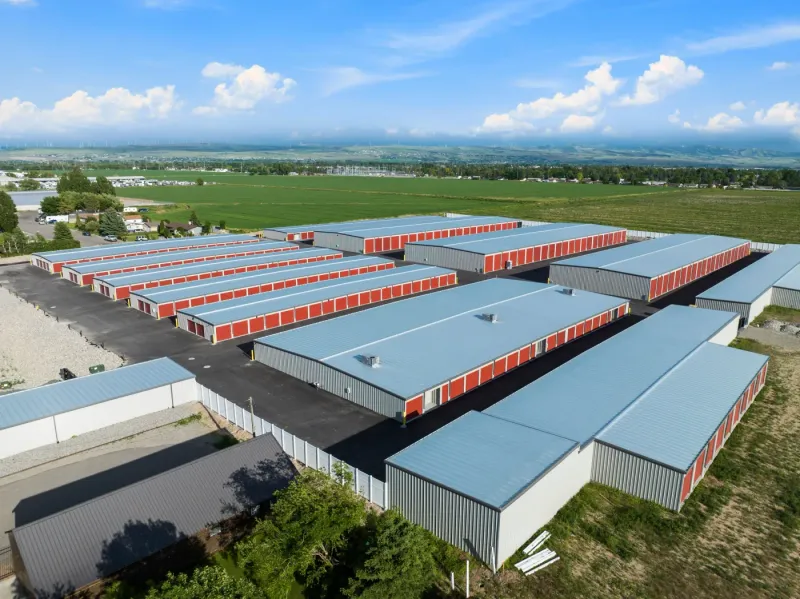
Climate-Controlled Storage
HVAC-conditioned interior units. Premium rents in nearly every market.
Premium rents in nearly every market
Climate-controlled self-storage commands a 30% to 50% rental rate premium over standard drive-up units in most markets, and is the format of choice in hot, humid, or freeze-prone climates. Done right, it stabilizes faster and at a higher rate per NRSF than standard storage.
We design climate-controlled facilities with the HVAC capacity, building envelope, and interior corridor widths matched to the climate and operational profile. Half-built climate control is worse than none; we engineer for the actual conditions.
One team handles design, engineering, fabrication, and construction. One contract, one schedule, one number you can hold us to.
30 to 50% Rate Premium
Climate-controlled units rent at a substantial premium to drive-up units in nearly every market.
HVAC Sized for the Climate
Cooling and heating capacity matched to local design temperatures, not generic per-square-foot rules of thumb.
Insulated Building Envelope
Insulated wall and roof panels, vapor barrier, and thermal break detailing that actually maintains setpoints.
Interior Corridors
Wide, well-lit interior corridors with security cameras and individual unit access from inside the conditioned space.
Mixed-Use Layouts
Climate-controlled wings paired with drive-up sections, optimizing the mix for the local demand curve.
Energy-Efficient Operations
Building envelope and HVAC zoning designed for low operating cost per conditioned square foot.
Questions
Layer $15 to $30 per rentable square foot onto the base building cost for HVAC capacity, insulated panels, vapor barrier, and conditioned hallways. A 25,000 RSF climate-controlled wing adds roughly $375,000 to $750,000 over the same wing without climate control.
30 to 50 percent over standard drive-up units in most markets. The premium sticks best when you are the only operator in the trade area offering climate control. In saturated markets, the premium compresses and the math gets tighter.
It is most defensible in hot, humid, and freeze-prone climates where customers will pay to protect electronics, instruments, documents, and seasonal goods. In mild dry climates the premium is harder to capture, especially in saturated markets where competitors already offer it.
Insulated wall and roof panels, vapor barrier, thermal break detailing at the doors and corners, and an interior corridor with conditioned access to each unit. Half-built climate control (under-insulated walls, undersized HVAC) fails to hold setpoint in extreme weather, which kills the rent premium and damages stored goods.
Yes. Mixed-use layouts pair a climate-controlled wing with a drive-up section, with the mix tuned to the trade area demand curve. Most newer multi-tenant facilities are built this way, which spreads the build cost across two unit types that appeal to different customers.
No. HVAC capacity should be sized to local design temperatures and the actual building envelope, not to a generic BTU-per-square-foot number. Generic sizing routinely under-cools dry desert markets and oversizes mild ones, which hurts either tenant comfort or operating cost.
Self-Storage projects
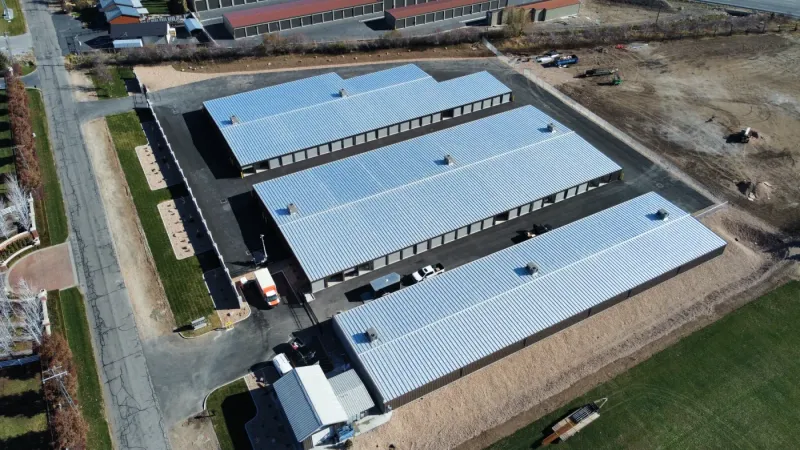
My Storage Charleston
Purpose-built self-storage in a high-demand Charleston corridor. 18-wheeler accessibility, on-site truck rentals, oversized doors, and a diverse unit mix designed for customers in transition, not just where they store.
View project→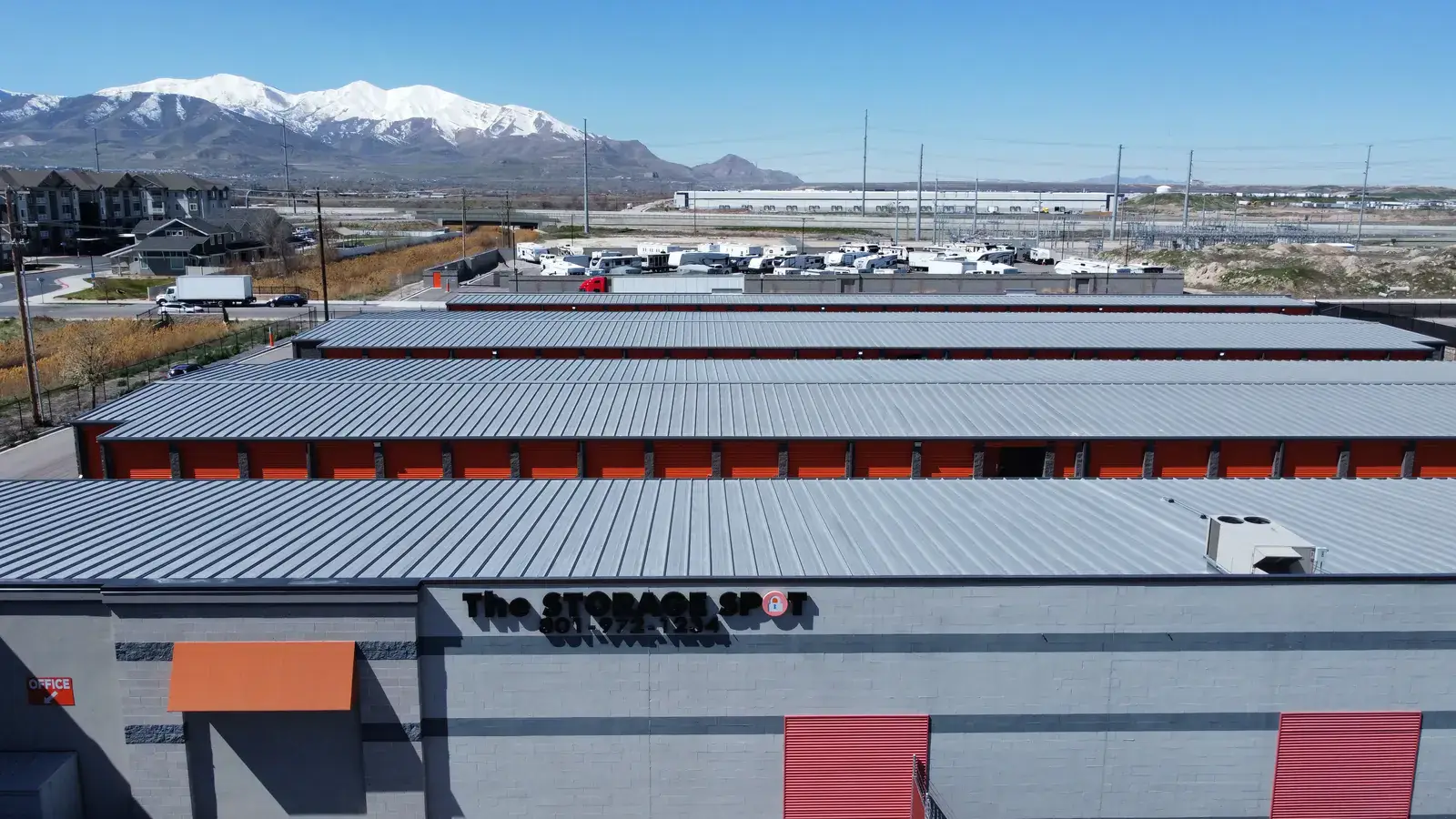
The Storage Spot
A large-format steel self-storage facility in West Valley City, Utah, designed and built by Wasatch Structures. Multi-building drive-up and climate-controlled metal buildings with boat and RV parking, engineered and erected for a dense Salt Lake Valley market under one design-build self-storage construction contract.
View project→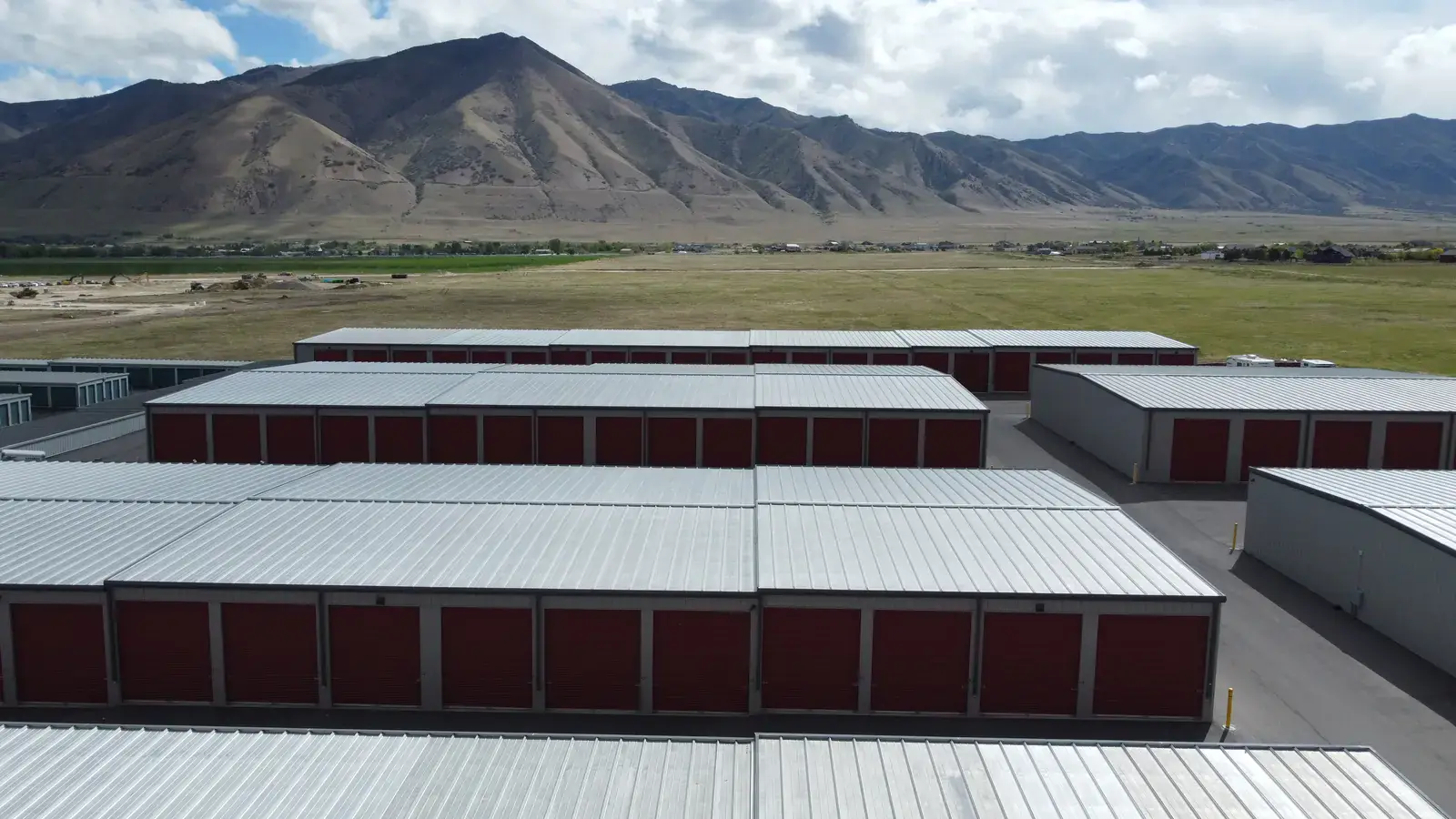
My Storage Erda
A steel self-storage facility in Erda, Utah, designed and built by Wasatch Structures. Single-story drive-up metal buildings framed by the Stansbury and Oquirrh ranges, engineered and erected for the Tooele Valley under one design-build self-storage construction contract.
View project→